The Hidden Engine
The Hidden Engine Most Runners Ignore
Your body isn’t designed to run like a machine that burns fuel nonstop.
It’s designed more like a spring.
When you run well, energy is:
absorbed on landing
stored in your tendons and fascia
released again to propel you forward
This stretch–shorten cycle is what gives running its rhythm and flow.
When you interrupt that cycle, running becomes harder than it needs to be.
Why So Many Runners Feel Heavy and Inefficient
Most runners rely almost entirely on muscular effort:
pushing off aggressively
over-striding
collapsing through the hips
tightening the upper body
This turns running into a series of mini squats and lunges.
You can run like this…
But it costs more energy, increases fatigue, and often leads to niggles.
That’s why many runners plateau or break down despite “doing all the right training”.
What Elastic Running Actually Looks Like
Elastic running doesn’t mean floating along effortlessly at race pace.
It meansreducing wasted effort.
Key traits include:
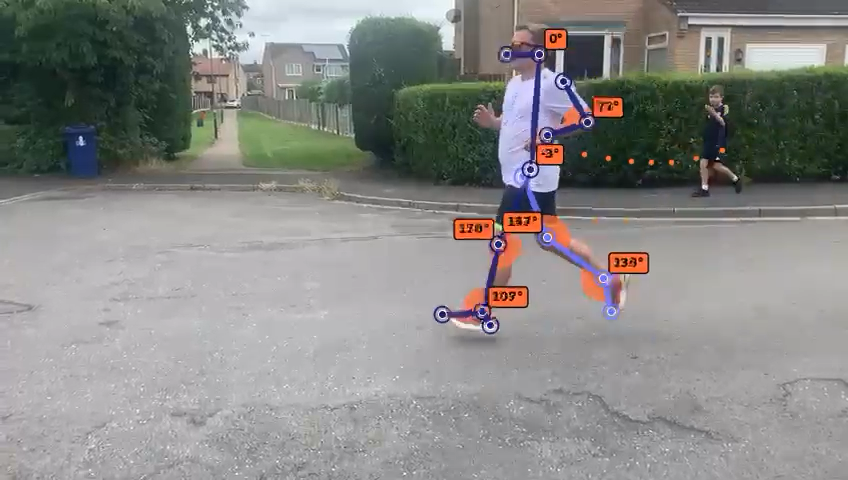
landing closer to your centre of mass
allowing the ankle and calf to act like springs
staying tall through the chest
letting the arms help with rhythm, not tension
When this happens:
cadence improves naturally
ground contact time reduces
pace feels smoother at the same effort
Most runners describe it as “suddenly feeling lighter”.
Why It Feels Easier (Even When You’re Running Faster)
When elastic energy is doing more of the work:
muscles don’t have to generate force from scratch every step
oxygen cost drops
perceived effort falls
This is why runners often hit faster splits without feeling like they’re trying harder.
It’s not fitness magic.
It’s mechanical efficiency.
Why More Mileage Isn’t the Answer
If you’re not using elastic energy well, more miles just reinforce poor movement patterns.
That’s why:
fitness improves but race times don’t
“easy pace” still feels taxing
niggles appear as intensity increases
Smarter runners don’t just ask “How much should I run?”
They ask “How am I running?”
Learning to Use What You Already Have
Elastic energy isn’t something you earn through brutal training blocks.
You already have it.
The skill is:
learning how to access it
removing the habits that block it
reinforcing movement that allows it to emerge
That’s where intelligent coaching, form awareness, and targeted strength work matter more than blind mileage.
Running Was Never Meant to Feel This Hard
When runners reconnect with elastic movement, something shifts:
confidence improves
training feels sustainable
racing becomes enjoyable again
Not because they’re doing more…
But because they’re finally letting the body do what it’s built to do.